Get medical advice if you think your child is having an allergic reaction to a particular food. If your child has symptoms of an allergic reaction follow the food allergy action plan your doctor gave you.
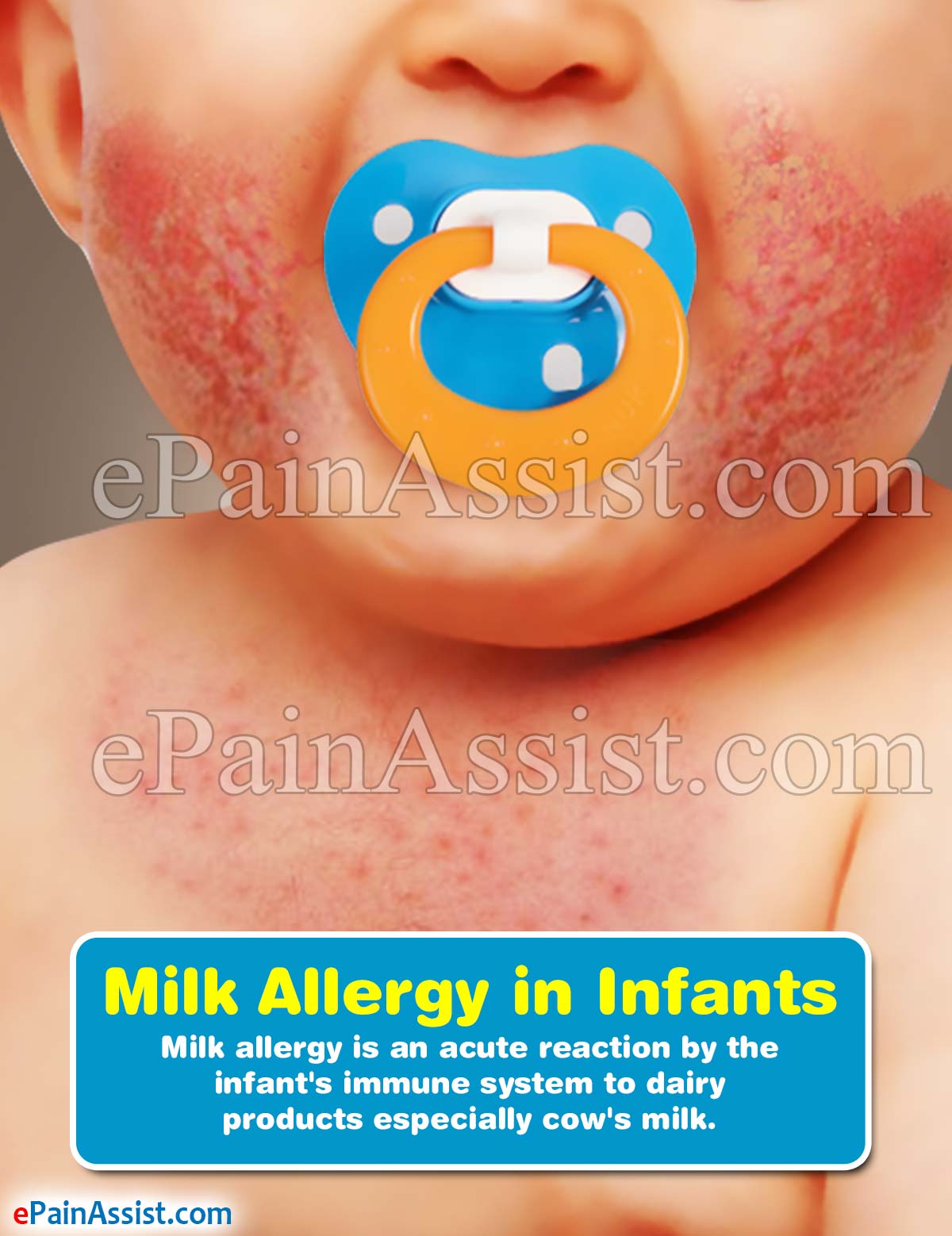
Milk Allergy In Infants Causes Symptoms Tests Treatment
Your child may have symptoms within minutes of having cows milk or formula made from it.

Signs of milk allergy in infants. In its efforts to fend off the invaders the body releases histamine and other chemicals which cause allergic symptoms in the body. Your baby may also have either diarrhea or constipation. Itchy skin or rash.
What are the symptoms of milk allergies in babies. Infant feeding immune disorder Minchin 2015. Signs of an allergic reaction include.
If your baby has a milk allergy they may have an. Diarrhoea are common in infants and milk allergy is only one of a number of possible causes. Formula allergy is an immunological condition where the immune system mistakenly identifies milk proteins as pathogens and attacks them with antibodies.
The immune response leads to an allergic reaction causing symptoms such as hives skin bumps and tissue swelling. Sore red and itchy eyes. Skin reactions such as a red itchy rash or swelling of the lips face and around the eyes digestive problems such as stomach ache vomiting colic diarrhoea or constipation.
Symptoms of milk allergies in babies include. Swollen lips and throat. Babies react to soy protein similarly to cows milk protein.
All babies have gas but when it occurs with several other signs it signals a possible allergy to cow milk. Wheezing and shortness of breath. Children who have a milk allergy will typically show symptoms immediately within minutes and up to 2 hours of consuming milk or products containing milk proteins.
Often babies are allergic to both. Runny or blocked nose. This can result in discomfort burping or passing gas.
Your baby might also be excessively gassy might have green mucousy stools andor blood in stool. Occasionally foods can cause a severe allergic reaction anaphylaxis that can be life-threatening. Excessive and smelly farts.
Some drug allergy signs such as rashes may not. Signs Of Milk Allergy In Breastfed Baby. A milk allergy is a type of food allergy that occurs when the immune system overreacts to dairy.
Discomfort can cause an infant to be fussy cranky or colicky. Allergies are usually more severe and life-threatening than food intolerances. Children also can have.
Blood in stool is the biggest indicator of a milk allergy but there are other causes. Milk is among the foods most likely to cause anaphylaxis a life-threatening allergic response. Symptoms of a food or medicine allergy may appear within a few minutes or an hour or two later.
These are the signs and symptoms of an allergy in a breastfed baby. The next most common allergen is soy. Review of records from the newborn nursery revealed that all 9 infants had been exposed to cows milk formula in amounts corresponding to approximately 04-30 g of beta-lactoglobulin BLG during the first three days of life.
Itchy throat and tongue. In most cases of cows milk allergy your baby will show several symptoms in a pattern that will suggest either the delayed or immediate type of food allergy. Read more about reasons for blood in baby stool.
If your child has symptoms of a serious reaction like swelling of the mouth or throat or difficulty breathing or symptoms involving two different parts of the body like hives with vomiting. Babies who give many indications of gut discomfort. In other cases problems might not happen until hours or.
The following table below highlights symptoms which Primary Lactose Intolerance is the more common. Lactose intolerance which is when the body has trouble digesting milk. Babies who are either hyperactive before in the womb and persistently miserable after birth or.
Other symptoms may include difficulty breathing nausea and hives. Spitting up or vomiting. Slimy green or bloody poop.
None of the infants had signs of CMA in the neonatal period. If your baby has cows milk allergy you may see classic colic symptoms like intense crying clenched fists an arched back and allergy symptoms like. Babies who start screaming in the second or third week of life and.
An intolerance to milk in which symptoms such as loose stools blood in the stool refusal to eat or irritability or colic appear hours to days later. Symptoms of cows milk allergy Cows milk allergy can cause a wide range of symptoms including.
This can cause noisy breathing especially on breathing in a cough or a change in voice. Skin rash is probably the most common sign and symptom which is associated with formula intolerance.

Food Allergy Symptoms Weaning Advice On Allergies When Weaning
Fussiness can be a symptom of any condition that makes a baby uncomfortable including the mild to moderate food allergy symptoms listed above says Dr.
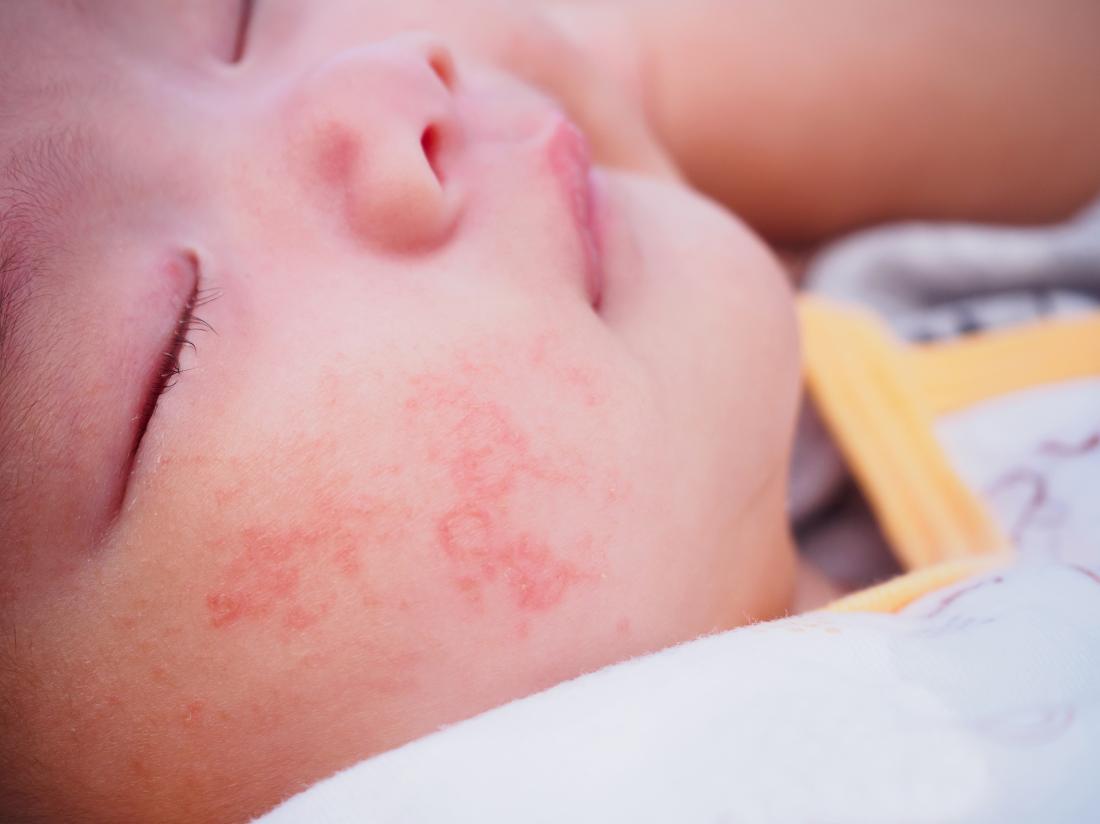
Signs of allergic reaction in infants. The rashes can be scaly and itchy and is known as atopic dermatitis in medical parlance. The most common symptoms of a food allergy in babies and toddlers are. Occasionally foods can cause a severe allergic reaction anaphylaxis that can be life-threatening.
Wheezing or difficulty breathing. Common types of allergic reactions in infants include the following. Pale or bluish skin.
Signs of anaphylaxis in babies tend to be milder than in older children and adults. While babies can cry excessively if they suffer gas bloating diarrhea and other digestive problems due to a food present in their mothers milk there are other reasons that cause babies to cry and fuss after eating. This causes an allergic reaction in which the body releases chemicals like.
Dizziness confusion collapse loss of consciousness and sometimes coma. Swelling of the mouth andor throat. In infants the rashes generally appear on the face arms scalp and legs.
Signs And Symptoms Of Egg Allergy In Babies The signs of an egg allergy in babies can be very similar to a conventional illness and may take a few minutes to an hour to show. Signs of Allergic Reaction in Babies Crying and fussiness after feeding are two of the reasons many mothers begin to suspect a food allergy. Runny or blocked nose.
Children sensitive to milk may also have something called Eosinophilic Esophagitis which is where milk causes irritation and inflammation in the esophagus. Common signs of anaphylaxis in babies include vomiting diarrhea crankiness fast heartbeat hives and swelling of the lips eyes or other parts of the body. The hypersensitivity and inappropriate action of the immune system towards formula lead to formula allergy.
The immune response leads to an allergic reaction causing symptoms such as hives skin bumps and tissue swelling. A complication of the condition can lead to eczema. The most common allergy symptom a child is likely to have is called allergic rhinitis which causes a runny stuffy itchy nose.
Red rash around the mouth. Dizziness confusion or loss of consciousness. Runny or stuffy nose.
Other signs include shortness of breath trouble breathing wheezing whistling sound while breathing and dizziness. Cows milk is in most baby formulas. Hives are another telltale sign of an allergy.
Widespread hives on body. Formula allergies can also lead to formation of hives on skin. What Causes Formula Allergy In Infants.
Shortness of breath wheezing repetitive cough. Allergies are usually more severe and life-threatening than food intolerances. A sudden drop in blood pressure called hypo tension leading to shock.
Swelling of the airways noticeable by a change in their voice noisy breathing or cough. Babies with a milk allergy often show their first symptoms days to weeks after they first get cow milk-based formula. Skin inflammation or hives the most common egg allergy reaction Nasal congestion runny nose and sneezing allergic rhinitis Digestive symptoms such as cramps nausea and vomiting Asthma signs and symptoms such as coughing wheezing chest tightness or shortness of breath.
If your baby does experience any allergic symptoms after eating a food you should avoid it. Sore red and itchy eyes. More severe reactions may include any of the following either alone or in combination.
Though uncommon in babies allergies to dust pets mold pollen insect stings and other things in the environment may trigger allergy symptoms that. The most reported symptoms of severe allergic reaction in babies are hives and vomiting. In severe life-threatening cases children may have an anaphylactic reaction experience hypotension or lose consciousness.
Swelling of the tongue and throat restricting the airways. Swelling of face lips or tongue. Symptoms of severe allergic reactions in babies.
Red bumps or rashes that cause mild to severe itching. Some allergic reactions can also lead to additional symptoms such as nausea and vomiting. Get medical advice if you think your child is having an allergic reaction to a particular food.
However heat rash can also develop in other skin folds such as the thighs armpits and elbows. Here are a few factors that that can cause heat rash or make it more likely to develop.
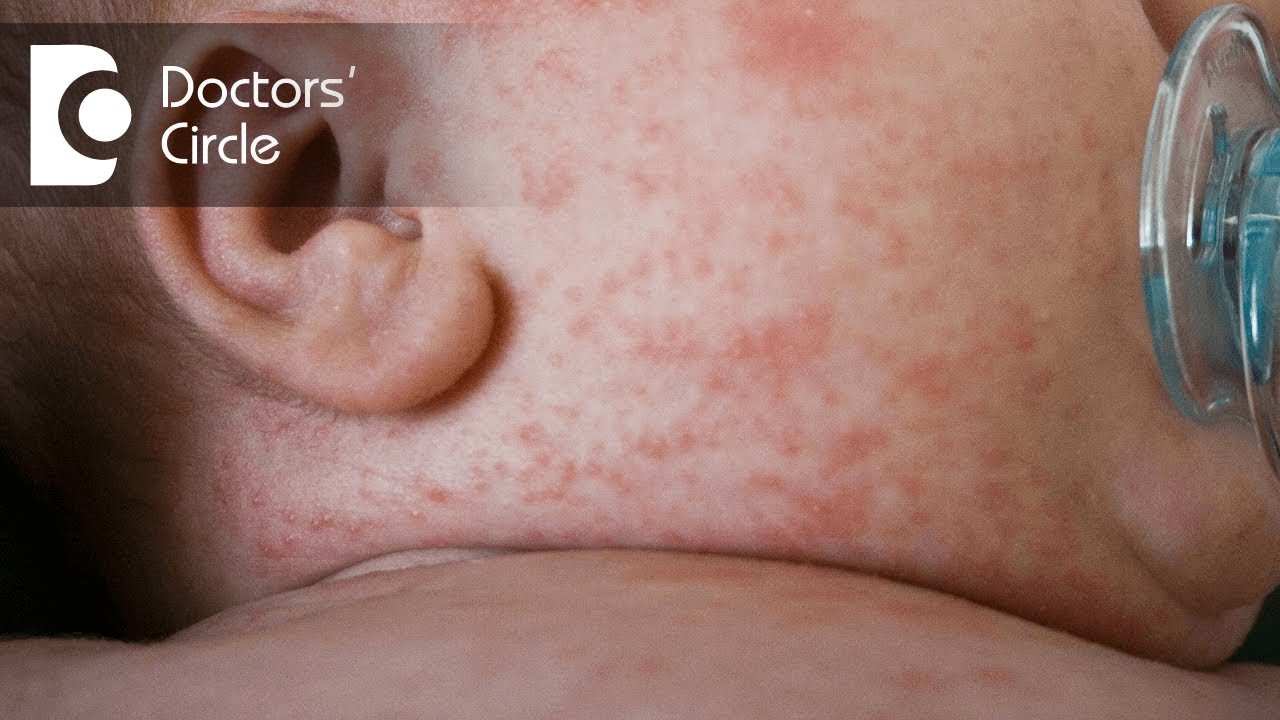
Baby Heat Rash 6 Simple Tips For Treatment And Prevention
A yeast rash also requires a prescription ointment.
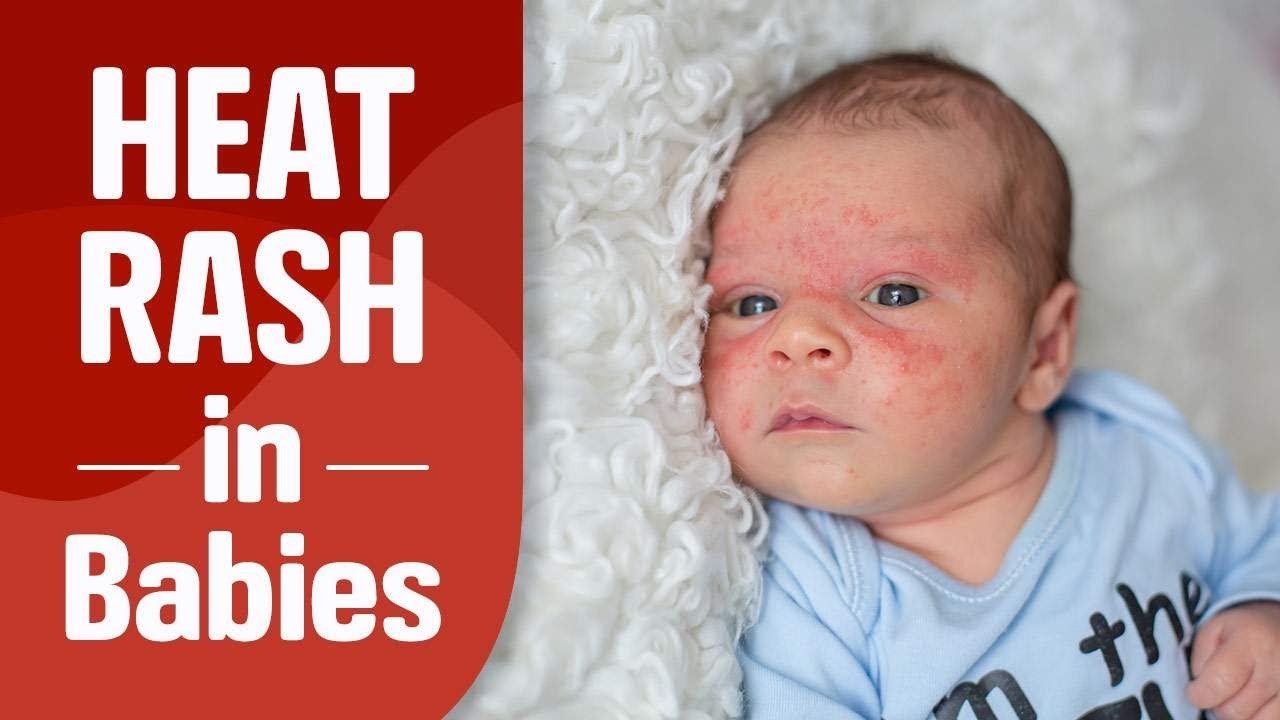
What causes heat rash on infants. The rash can look red but it may be less noticeable on brown or black skin. Hot and humid weather is one of the most common culprits behind heat rash in babies as excessive sweating is the primary cause. If your infant is in an NICU incubator has a fever or is simply overdressed heat rash may be more likely to develop.
Even their own feces can irritate a babys skin and cause a rash. Friction on the skins surface can also trigger heat rashes. An infant heat rash can also appear during colder weather particularly when a baby is bundled in several layers of clothing.
Babies are prone to heat rash because they are less able to regulate their body temperature than adults. Heat rash affects children and adults of all ages though it is most common in babies. However this does not mean that this type of rash is limited to the hot summer months.
If you live in hot and humid weather conditions your. Due to excessive sweating the pores of his skin get clogged and sweat cannot come out. Since the sweat ducts of your baby are still in the developing stage they may not have the means to regulate the temperature in their body when the temperature is rising.
Heat rashes will appear if your baby sweats a lot. Moreover humidity causes the baby to sweat and develop a heat rash. Heat rash usually gets better on its own after a few days.
Diaper rash in babies can also be caused by yeast bright red spots which join together. Causes of rashes in babies include. Babies often develop such rashes on their neck.
The most common causes of baby rash include. However heat rash can also develop in other skin folds such as the thighs armpits and elbows. Heat rash can also be caused when thick perfumed lotions or creams are regularly used on the skin blocking the pores and preventing sweat from releasing.
The clogging of pores is one of the main causes of heat rash. If you live in a hot climate make sure to take adequate precautions to ensure your baby does not develop a heat rash. What Causes Heat Rash In Infants Skin rash such as miliaria rubra can be triggered because the pores of your babys skin are clogged with sweat dirt dust and oils.
Heat rash does not cause fevers. Babies often develop such rashes on their neck. Because babies have smaller sweat.
Heat and sweat can cause raised spots or patches known as prickly heat or heat rash. Friction on the skins surface can also trigger heat rashes. Children and babies get heat rashes as their pores are smaller compared to adults.
The clogging of pores is one of the main causes of heat rash. Avoid cleaning the baby bottom with soap and baby wipes and use plain water instead. Scaly or cracked skin.
Hot and humid weather leads to overheating of the body causing a heat rash. Babies have delicate skin and are more likely to get heat rash than adults. A heat rash can appear suddenly and look alarming but it is usually not a cause for concern.
It itches so you may notice your child scratching. Heat rashes appear when sweat gets trapped under the skin. When this happens heat rash miliaria will appear which can be.
Causes and Treatment of Heat Rash in Babies Causes of Infant Heat Rash. A newborn baby has a higher risk of contracting heat rash because her sweat ducts are still developing. Understanding the circumstances that favor heat rash are a crucial step in preventing it from occurring in the first place.
Viral rashes in young children are common. A viral rash also called a viral exanthem is a rash thats caused by an infection with a virus.